Growing a small construction business in 2025 takes more than winning bids or adding new clients. It means learning how to stay profitable in a year where material prices fluctuate weekly, skilled labor is harder to find, and clients expect faster results with tighter budgets. Technology is changing how projects are planned, tracked, and delivered, while stricter safety and environmental standards are forcing even small firms to modernize how they work.
At the same time, there’s never been more room to grow. Billions in new public infrastructure projects, a steady housing shortage, and a rising demand for sustainable and energy-efficient builds are creating opportunities for contractors who can deliver quality and reliability.
If you run a small construction company, growth this year isn’t just about size – it’s about stability. The companies that will stand out are those with strong systems, reliable supplier networks, and clear financial discipline.
Strengthen Financial Foundations Before Scaling

Accurate job costing and cash flow tracking keep construction growth sustainable
Every expansion begins with control over costs and cash flow. Many construction businesses fail to scale simply because they underestimate how quickly project expenses multiply.
A well-run small firm should track every dollar that moves, from subcontractor invoices to small equipment rentals. Job costing software, digital timesheets, and monthly variance analysis can help identify which projects bring real profit and which quietly drain your budget.
Cash flow forecasting is equally vital. Construction projects often involve long payment cycles, and one delayed invoice can disrupt payroll. Maintaining a rolling three-month forecast helps you anticipate slow periods and plan for upcoming material purchases.
| Financial Tool | Purpose | Impact on Growth |
|---|---|---|
| Job Costing System | Track actual vs. estimated project costs | Improves pricing accuracy |
| Cash Flow Forecasting | Anticipate future expenses and receivables | Prevents liquidity crises |
| Cloud Accounting Software | Real-time financial oversight | Enables faster decisions |
Building financial discipline first ensures that when you grow, you do it on a stable base, not shaky numbers.
Look After Vehicles, Equipment and Build Long-Term Supplier Relationships

Reliable suppliers and well-maintained equipment keep every project on schedule
Every construction project relies on a chain of people, materials, equipment and timing – and that chain is only as strong as its weakest link. When a single delivery of construction vehicles, equipment and their parts runs late, an entire site can grind to a halt. That’s why in 2025, growing construction businesses are placing as much emphasis on supplier relationships as they are on client relationships.
Short-term discounts might look good on paper, but consistency is what keeps projects moving and profit margins intact. A reliable partner that delivers the right construction equipment and vehicle parts, on time, every time, is worth far more than a few percentage points saved on a one-off deal.
This is where working with a reliable source like genuine part supply STS-Global makes a measurable difference. By ensuring continuous access to high-quality vehicle parts, small contractors can maintain workflow stability, reduce downtime, and avoid costly schedule overruns.
Strong partnerships don’t happen by accident – they’re managed intentionally. Evaluate suppliers and subcontractors regularly on measurable criteria such as punctuality, quality control, and communication. Those who perform consistently well should be rewarded with preferred status or volume commitments, while underperforming vendors should be replaced over time.
Invest in People, Not Just Projects
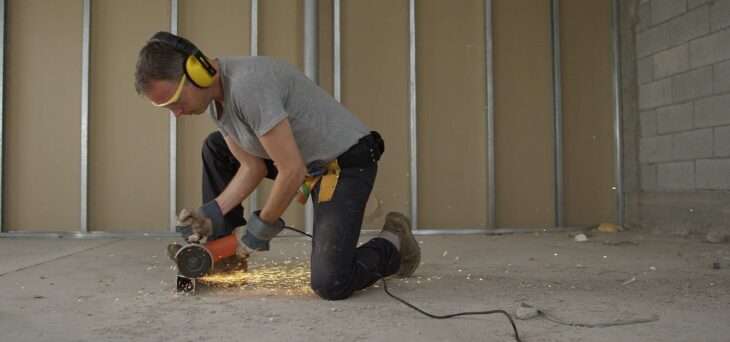
Skilled, motivated workers are the foundation of long-term business success
You can’t grow a business if you’re constantly replacing your team. The biggest differentiator between small firms that thrive and those that plateau is employee development.
Offer clear training paths for new hires, mentorship opportunities for field workers, and project management workshops for rising leaders. When people see a future inside your company, turnover drops and productivity increases.
Incentives like safety bonuses, paid certifications, or profit-sharing also go a long way toward building loyalty. Just as important is communication, from weekly toolbox talks to digital progress updates. A company that listens retains workers who care.
Adopt Technology That Simplifies Operations
Digital transformation is no longer optional. Construction software tools now manage everything from design to jobsite safety. Even small businesses can benefit from affordable, cloud-based solutions that streamline scheduling, payroll, and reporting.
| Technology Area | Examples | Benefit |
|---|---|---|
| Project Management | Procore , Buildertrend | Centralized task tracking, fewer delays |
| Estimating & Takeoffs | STACK , PlanSwift | Faster, more accurate bids |
| Scheduling | CoConstruct , Fieldwire | Optimize crew assignments |
| CRM & Marketing | HubSpot, Pipedrive | Track leads and follow-ups automatically |
Automation doesn’t replace people, it empowers them. By saving hours on manual paperwork and coordination, your managers can focus on quality, safety, and client satisfaction.
Specialize and Differentiate
Trying to do every type of project is the surest way to dilute your brand . The construction companies that grow consistently are those that own a niche, whether it’s sustainable home retrofits, commercial interiors, or school renovations.
Specialization builds expertise, efficiency, and word-of-mouth marketing. Clients trust specialists because they deliver predictable results. Once you establish dominance in a niche, you can gradually branch into complementary services such as maintenance contracts, energy audits, or facility upgrades.
Market your specialization through project case studies, community presentations, and SEO-optimized website content . Becoming “the go-to contractor for [your niche] in [your city]” is far more valuable than being another generalist in a crowded market.
Step Up Your Marketing and Branding

An active online presence turns local contractors into trusted, visible brands
In 2025, a small construction company without an online presence might as well be invisible. Most homeowners, developers, and municipal clients start their search online, even if they end up hiring through referrals.
Invest in a professional website that highlights your past projects, safety record, and testimonials. Maintain active business listings on Google and LinkedIn. Post regular progress updates or before-and-after photos on social media to show transparency and craftsmanship.
| Marketing Method | Cost Level | Best For |
|---|---|---|
| SEO / Google My Business | Low | Local service visibility |
| Paid Ads (Google / Meta) | Medium | Quick lead generation |
| Project Portfolios & Case Studies | Low | Trust building |
| Trade Networking Events | Medium | B2B and public contracts |
Your reputation is your brand, and your brand is your most powerful growth engine.
Scale Through Systems, Not Chaos
Growth without structure can destroy a small business faster than no growth at all. When projects increase, chaos often follows unless systems scale with you.
Implement standardized workflows for project approval, change orders, safety audits, and quality checks. Document these systems so they’re teachable, not locked in your head. Use simple dashboards to track metrics like project completion rates, average profit per job, and labor utilization.
As your company grows, your role should evolve from hands-on operator to strategic leader. Delegate daily operations to trusted managers and focus on planning, partnerships, and financial oversight.
Here’s what a 24-month growth path might look like:
| Timeframe | Main Focus | Key Actions |
|---|---|---|
| Months 0–6 | Financial clarity & process cleanup | Implement job costing, review suppliers, and choose digital tools |
| Months 7–12 | Marketing & hiring | Launch new website, recruit supervisors, set performance metrics |
| Months 13–18 | Scaling project load | Bid larger contracts, negotiate better material rates |
| Months 19–24 | Expansion & resilience | Enter new regions, add maintenance or design services |
This staged approach keeps growth deliberate and reduces risk.
Manage Risk and Safety Proactively
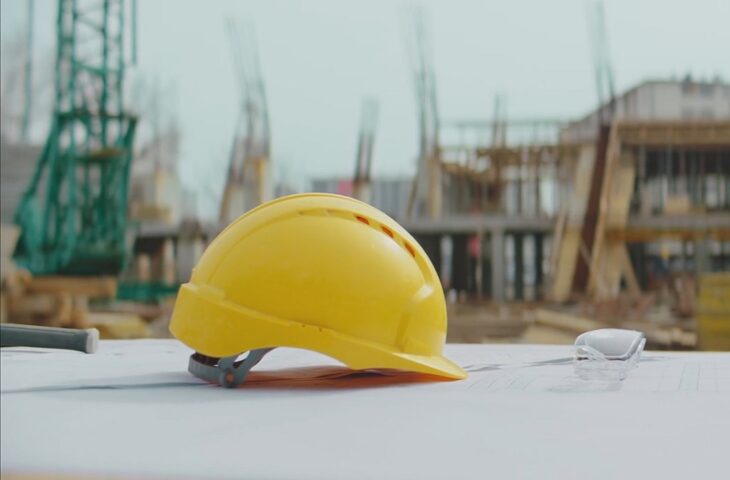
Strong safety practices and clear contracts protect your people and your reputation
In construction, reputation and compliance are fragile. A single accident, delay, or legal dispute can damage years of hard work.
Prioritize risk management by enforcing strict safety policies , ensuring your insurance scales with project size, and keeping detailed documentation. Train every worker on emergency protocols and hold site leads accountable for compliance.
Equally important is contract clarity, defining payment schedules, material escalation clauses, and dispute resolution steps upfront. When clients see that you manage projects professionally, they trust you with bigger ones.
Conclusion
A small construction company becomes a lasting business when it combines skilled craftsmanship with strategic management. The principles that matter most in 2025, financial discipline, strong partnerships, smart technology, and a motivated team, haven’t changed, but the tools to apply them have evolved.
