If you’re aiming to grow your audience in 2024, there are specific, actionable steps you can take. YouTube remains a top platform for sharing promotional content. However, the competition is higher than ever.
In that matter, taking the right steps is essential to grow your audience. In this article, you’ll find detailed advice on how to engage your audience, optimize your content, and leverage the latest features and trends to your advantage.
1. Create Engaging and Informative Content
Start by identifying topics that resonate with your target audience. Use tools like Google Trends or YouTube’s search bar to find popular topics within your niche.
Once you’ve chosen a topic, it’s crucial to present it engagingly. This could mean using storytelling techniques, incorporating humor, or providing unique insights that viewers can’t find elsewhere.
For example, if you’re creating a cooking video, don’t just list the ingredients and instructions. Share interesting facts about the origins of the dish, personal anecdotes, or tips on how to customize the recipe.
Visuals are also key in retaining viewer interest. Use high-quality images, graphics, and varied camera angles to keep your content visually appealing. If you’re discussing a technical subject, like a software tutorial, enhance your video with screen recordings, annotations, and clear step-by-step instructions.
“According to Carsen Andreasen Fangel , the marketing expert working for YouTube, viewers feel a heightened sense of ownership over the channels they subscribe to and the creators they regularly engage with. This phenomenon is akin to the “IKEA effect” in behavioral science, which states that people value things more if they’ve invested time and effort into them.”
2. Optimize Video Titles, Descriptions, and Tags
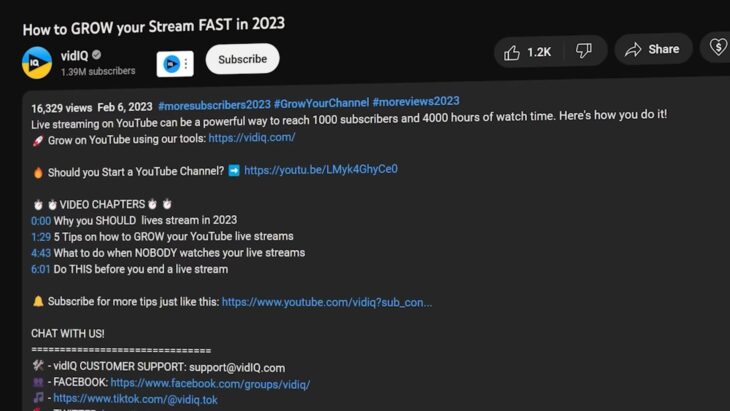
Title Optimization
Your video title should be clear, and concise, and include keywords that your target audience is likely to search for. For example, if you’re posting a cooking tutorial, a title like “Easy Vegan Lasagna Recipe – Ready in 30 Minutes!” is descriptive and includes key terms like “easy,” “vegan,” “lasagna,” and “recipe.”
This makes it clear to viewers and the algorithm what your video is about.
Description Optimization
The video description should offer a detailed overview of your video’s content. Include relevant keywords and phrases naturally in the first couple of lines, as only the first 100-150 characters are visible in search results.
Also, add links to your social media, a call to action, or links to related videos. For instance, continuing with the cooking video example, start your description with something like, “In this video, I’ll show you how to make a delicious vegan lasagna in just 30 minutes.
Perfect for a quick, healthy family dinner!”
Tag Optimization
Tags help YouTube understand the content and context of your video. Use a mix of broad and specific tags. In our vegan lasagna video, you might include tags like “vegan cooking,” “easy recipe,” “healthy dinner,” and “lasagna tutorial.”
Don’t overdo it; stick to around 10-15 relevant tags.
Directly Ask for Subscriptions
Explain the Benefits
Incorporate Visual Cues
Leverage End Screens and Annotations
Offer a Preview of Upcoming Content
Create a Subscription Call to Action in Your Video Description
4. Design Eye-Catching Thumbnails
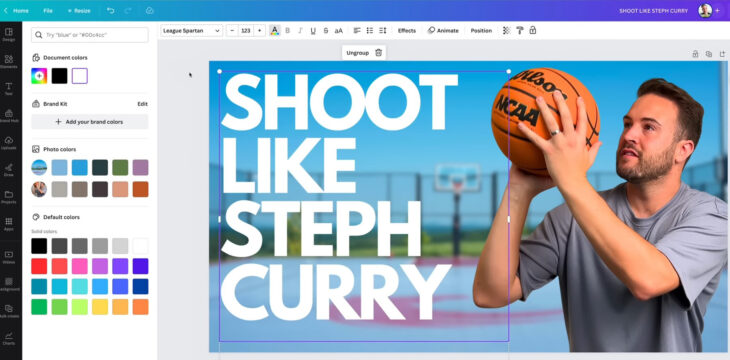
Designing compelling thumbnails is essential for attracting viewers on YouTube. A thumbnail is the first thing viewers see, and it plays a significant role in their decision to click on a video.
Here’s a step-by-step guide to creating effective thumbnails :
- Use High-Quality Images: Start with a high-resolution image that looks crisp and clear. Blurry or pixelated thumbnails can deter viewers.
- Incorporate Vibrant Colors: Bright and contrasting colors catch the eye. Use colors that stand out but also complement the content of your video.
- Include Text Sparingly: If you use text, make sure it’s readable and concise. Large, bold fonts work best. The text should quickly convey the essence of the video.
- Feature Close-Ups of Faces: Thumbnails with close-ups of faces, especially those showing strong emotions, tend to perform well as they create a personal connection with viewers.
- Showcase the Content: Give a preview of what viewers can expect. If it’s a cooking video, show the finished dish. For a tutorial, consider showing the end result or a key moment.
- Maintain Consistency: Keep a consistent style across your thumbnails. This helps in building brand recognition.
- Avoid Misleading Clickbait: Ensure your thumbnail accurately represents the video content. Misleading thumbnails can lead to viewer disappointment and harm your channel’s credibility.
- Test Different Styles: Experiment with different thumbnail styles to see what works best for your audience. Pay attention to the click-through rates in your YouTube analytics to gauge effectiveness.
5. Collaborate with Other Creators
Collaborating with other creators is a dynamic way to expand your audience on YouTube. When you partner with fellow YouTubers, you tap into their follower base, exposing your content to a broader audience.
Here’s how to make it work:
- Identify Complementary Creators: Look for YouTubers whose content aligns with yours but offers a unique twist. This ensures that the collaboration is mutually beneficial and engaging for both audiences.
- Reach Out and Pitch: Contact potential collaborators with a clear, concise pitch. Highlight what you admire about their work and propose a collaboration idea that offers value to both of you.
- Plan and Create Together: Once you’ve agreed on a collaboration, plan your content. Whether it’s a joint video project or guest appearances on each other’s channels, ensure the content is well-thought-out and engaging.
- Promote Each Other: When the collaborative content is published, promote it across your social media platforms. This cross-promotion not only boosts views but can also lead to a significant increase in subscribers for both channels.
6. Implement YouTube Shorts
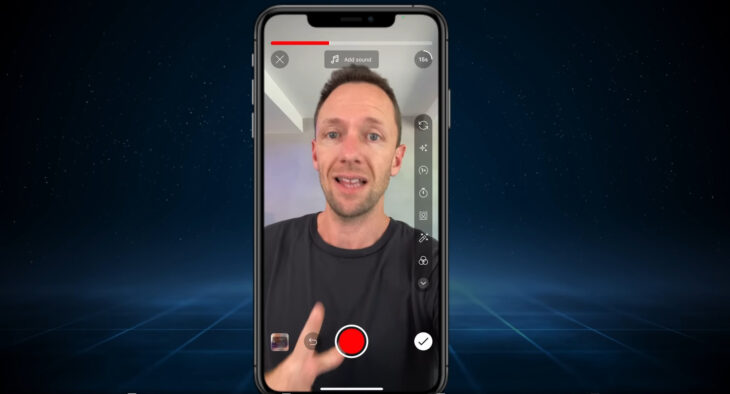
Leveraging YouTube Shorts is an excellent strategy to boost your channel’s visibility and engage with a wider audience. These short, snappy videos, often up to 60 seconds long, are perfect for capturing the attention of viewers who prefer quick, engaging content.
To effectively use Shorts, focus on trending topics, include catchy music, and ensure your content is visually appealing and easy to digest.
“Despite being a relatively new feature, launched globally in July 2021, YouTube Shorts quickly gained immense popularity , surpassing 6.5 billion daily views globally in just a few months.”
This interaction shows your viewers that you value their opinions and feedback, fostering a sense of community and loyalty. Additionally, consider live streaming, which offers real-time engagement with your audience.
“ Studies have shown that videos where creators actively respond to comments tend to receive up to 4 times more views.”
During live streams, answer questions, share behind-the-scenes insights, and discuss topics of interest to your viewers. This direct interaction deepens the connection with your audience, increases engagement on your channel, and encourages viewers to become active participants in your YouTube community.
8. Promote Your Channel on Social Media and Other Platforms

Promoting your YouTube channel on social media is an integral part of your growth strategy. Social media platforms offer a vast audience and the potential to drive significant traffic to your channel.
By sharing your videos on platforms like Facebook, Twitter, and Instagram, you can reach a wider audience, engage with them, and build your brand. For example, you can share a video on Instagram Story .
9. Maintain Consistency in Video Posting
Consistency not only helps in building a loyal audience but also plays a role in how YouTube’s algorithm promotes your videos.
Consistent posting signals to the algorithm that your channel is active and regularly provides fresh content, which can improve your visibility on the platform. To determine the right frequency, consider your content type and production capacity. For instance, vloggers might post more frequently than creators producing high-quality, scripted content. A common practice is to start with a manageable schedule, like once a week, and gradually increase as you become more comfortable with the production process.
The key is to set a schedule and stick to it. Whether it’s once a week, bi-weekly, or monthly, consistency helps build audience expectations and loyalty.
10. Create High-Quality Videos (1080p or Higher)
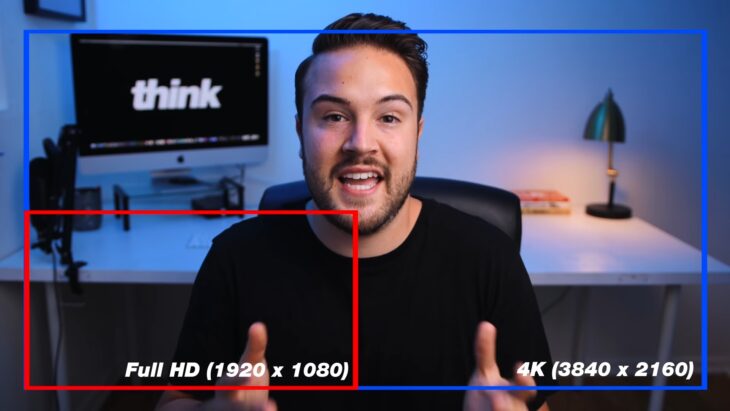
Producing high-quality videos (1080p or higher) is essential for attracting and retaining viewers on YouTube. Start by investing in good equipment: a quality camera, microphone, and lighting setup.
Even smartphones can shoot in 1080p or 4K, making them a viable option. Use editing software to enhance video and audio quality post-shooting. For example, you could shoot a cooking tutorial with clear close-up shots of the cooking process and crisp sound quality to capture every sizzle and chop. Editing plays a crucial role; tools like Final Cut Pro can help you refine your footage, correct colors, and improve the sound.
11. Use a Strong Call to Action at the End of Videos
This CTA is clear, compelling, and directly related to the content the viewer just watched. Incorporate visual cues like buttons and graphics in your video to make the CTA stand out.
12. Analyze and Utilize YouTube Analytics for Content Improvement
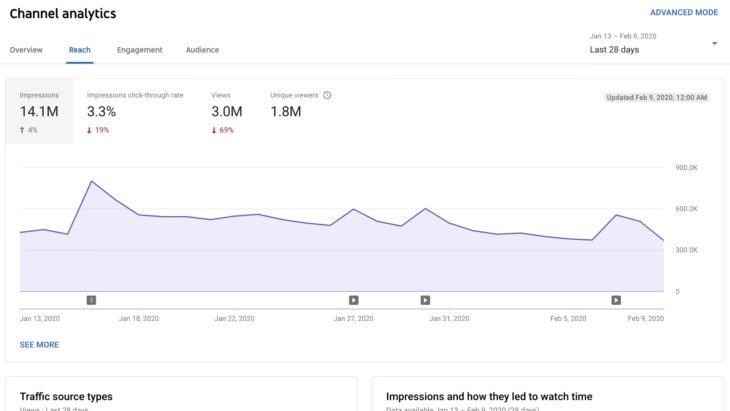
YouTube Analytics is a powerful tool for content improvement. Start by regularly checking your analytics to understand your audience better, such as their demographics, what they like, and when they watch your videos.
For instance, if you notice a particular style of video tends to have higher view counts or better engagement, consider producing more content in that style. Pay attention to metrics like watch time, retention rate, and click-through rate (CTR) to gauge your video’s performance.
If you find that viewers are dropping off early in your videos, it might indicate the need for a more engaging intro or tighter editing.
How does YouTube pay?
YouTube pays its creators based on the revenue they generate from different sources, such as ads, memberships, merchandise, super chats, and YouTube Premium. The amount of money a creator earns depends on various factors, such as the number of views, watch time, audience location, video length, and content category. YouTube takes a percentage of the revenue as a platform fee, and the rest is paid to the creator. The payment is made through Google Adsense, which requires a minimum threshold of $100 to withdraw.
Does YouTube pay monthly?
Yes, YouTube pays creators monthly based on the revenue earned in the previous month. You need to have a Google Adsense account and choose a payment method to receive your earnings.
Last Words
The strategies we discussed – from leveraging the power of social media promotion to the intricate crafting of compelling video content – are tools to guide you along this path. The real magic, however, lies in your authentic expression and the connection you forge with your audience.
