Sellers who understand the distinct advantages and limitations of each shipping method—and make informed decisions based on volume, location, and cost efficiency—will maintain a competitive edge and minimize operational risks in 2025.
Key Shipping Metrics and Methods
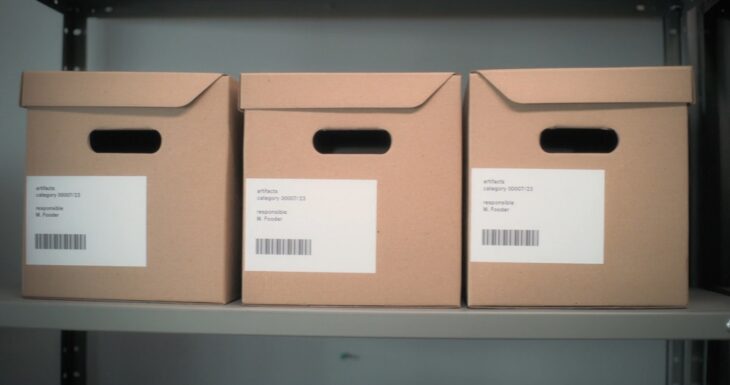
Organized cardboard boxes labeled and stored neatly on a warehouse shelf for inventory management|Artlist
| Shipping Method | Best for | Transit Time | Average Cost per Unit | Handling Risk |
|---|---|---|---|---|
| SPD | Small parcels (<150 lbs) | 1–5 days | $3–$7 | Low |
| LTL | Medium loads (150–10,000 lbs) | 3–7 days | $1.50–$3 | Moderate |
| FTL | Full loads (>10,000 lbs) | 2–5 days | $0.75–$1.50 | Low |
| AGL | Bulk international shipments | 3–8 weeks | $0.30–$0.80 | Low |
- Small Parcel Delivery (SPD) involves shipping individual boxes using carriers like UPS, FedEx, or DHL. It’s ideal for sellers shipping fewer than 15 boxes or under 150 pounds. Although it offers faster delivery times—typically between 1 and 5 days—it comes with higher per-unit shipping costs.
According to logistics data , sellers pay an average of $3 to $7 per unit when using SPD, with costs increasing for longer distances or urgent deliveries.
- Less Than Truckload (LTL) consolidates multiple boxes onto pallets that share space with other shipments. It is most cost-effective for shipments between 150 and 10,000 pounds. Partnered Carrier rates through Amazon can cut shipping costs by up to 45% compared to independent carriers.
Transit times average between 3 and 7 days, balancing speed and cost.
- Full Truckload (FTL) reserves an entire truck for a single seller’s shipment, usually exceeding 10,000 pounds or requiring full pallet space. This method minimizes handling, reducing the risk of product damage and ensuring faster transit times—typically 2 to 5 days.
Per-unit shipping costs drop significantly, often to $0.75 to $1.50 per unit, making it the preferred choice for high-volume sellers.
- Amazon Global Logistics (AGL) handles international shipments, particularly from Asia and Europe to Amazon’s U.S. warehouses. In 2024, Amazon reported that over 20% of its U.S. inbound volume came through AGL.
Ocean freight costs are up to four times cheaper per unit than air freight, though delivery times can stretch to 8 weeks. Sellers benefit from integrated customs clearance and streamlined tracking.
Detailed Preparation Checklist for Each Shipping Method
Small Parcel Delivery (SPD)

Worker placing cardboard boxes inside a delivery van, ready for dispatch and local delivery
- Box Size and Weight Limits : Maximum weight per box: 50 lbs (unless a single item exceeds this, with proper labeling). Maximum dimensions: 25″ on any side , or check Amazon’s latest guidelines for updates.
- Labeling Rules : Use FBA shipment labels (with scannable barcodes) generated via Seller Central. Place labels on the flat side of each box , avoiding edges or seams.
- Carrier Guidelines : Use Amazon’s Partnered Carrier Program (UPS) to get discounted rates and simplified tracking. Schedule pickups or drop-offs with your carrier. Provide correct box content information in the shipment plan to avoid delays.
- Best for : Small shipments (under 150 lbs) needing quick restock and flexibility.
Less Than Truckload (LTL) & Full Truckload (FTL)
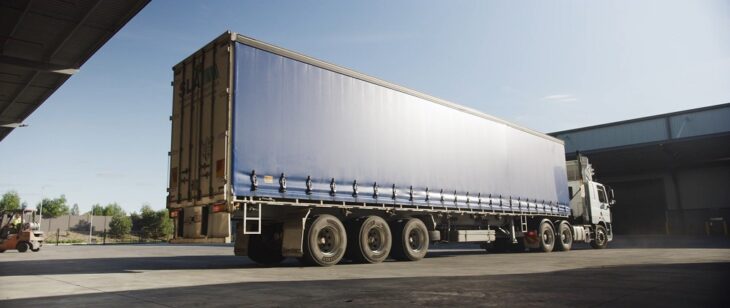
Large freight truck parked for loading or unloading at a logistics warehouse under clear daylight|Artlist
LTL and FTL are for palletized shipments, where multiple boxes are consolidated for transport. These methods require more preparation but offer significant cost savings.
- Pallet Specifications : Use 40″x48″ standard wooden pallets . Ensure the stack height does not exceed 72″ , including the pallet. Shrink-wrap and secure each pallet to prevent shifting during transit.
- Labeling and Documentation : Attach pallet labels with FBA shipment IDs on all four sides . Generate and attach box labels for each case on the pallet.
- Booking Appointments : Use Amazon’s Carrier Appointment Request system to schedule a delivery window at the fulfillment center. For Partnered Carriers, this is often handled automatically; for non-partnered, coordinate with your chosen carrier.
- Paperwork : Prepare a Bill of Lading (BOL) for the shipment, detailing contents, weights, and carrier details.
- Best for : Medium-to-large domestic shipments where cost per unit is a concern .
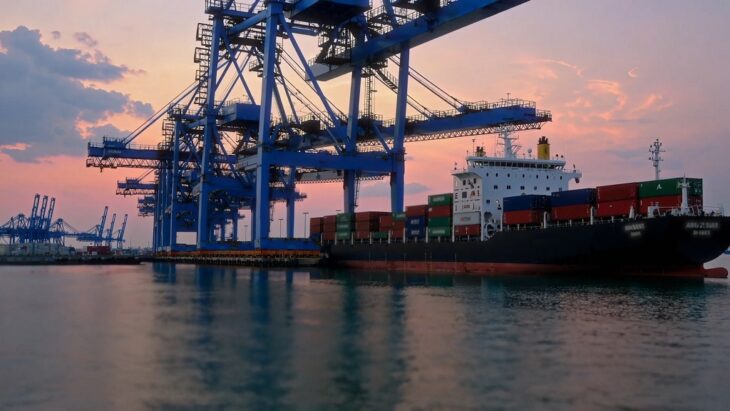
Container ship docked at an international port, representing Amazon FBA shipping operations and global freight forwarding
- Customs Documentation : Prepare Commercial Invoices listing contents, HS codes, values, and origin details. Include Packing Lists and Certificates of Origin as needed. Comply with import regulations, including FDA, EPA, or other authorities if applicable.
- Amazon Booking : Initiate the AGL shipment through Seller Central by creating a Global Shipment Plan . Amazon will provide booking confirmation, carrier details, and tracking.
- International Compliance : Use Incoterms (typically DDP or DAP) to define delivery responsibilities. Ensure you comply with country-specific import/export regulations and taxes.
- Best for : High-volume shipments from overseas suppliers, prioritizing cost efficiency over speed .
How to Choose Between SPD, LTL/FTL, and AGL
Choosing the right method depends on objective factors like shipment size, speed requirements, cost efficiency, and origin. Here’s a straightforward approach:
- Step 1: Measure Shipment Size and Weight If you’re shipping fewer than 150 lbs total (or around 5–10 boxes ), SPD is usually the best option. For shipments between 150–10,000 lbs or 4–10 pallets , LTL offers better cost per unit. When you have enough to fill an entire truck ( 26 pallets or more ), FTL maximizes efficiency. If shipping internationally (particularly from Asia or Europe), AGL is designed for high-volume freight.
- Step 2: Consider Delivery Speed SPD offers the fastest delivery times (1–5 days). LTL and FTL are slightly slower ( 3–7 days ) but cheaper per unit. AGL takes the longest ( 3–8 weeks ), suitable for bulk replenishment with advanced planning.
- Step 3: Evaluate Cost Efficiency FTL offers the lowest per-unit cost domestically, followed by LTL. SPD is more expensive per box. AGL is by far the most cost-effective for large international shipments, though it requires long lead times.
- Step 4: Assess Regulatory and Compliance Needs For AGL , be prepared for customs documentation and complex paperwork. For LTL/FTL , ensure pallet preparation and carrier scheduling align with Amazon’s requirements. For SPD , follow the box guidelines and labeling exactly to avoid delays.
- Step 5: Factor in Business Model and Forecast High-velocity sellers should lean toward FTL or AGL for bulk cost savings. Seasonal or promotional shipments may require the speed of SPD or LTL . For consistent, predictable orders, LTL or FTL is best.
Decision Table
| Scenario | Shipment Size | Speed | Best Method |
|---|---|---|---|
| New product launch | <150 lbs | Fast | SPD |
| Regular restocking | 150–10,000 lbs | Moderate | LTL |
| High-volume domestic | >10,000 lbs | Fast & Cheap | FTL |
| Bulk overseas import | Large volumes | Cost over speed | AGL |
Shipping Trends
Full truckload vehicle at a distribution center, common in Amazon FBA shipping and third-party logistics|Artlist
Warehouse capacity remains a key issue, as seasonal demand spikes and labor shortages require sellers to plan shipments proactively.
The average delivery time for ocean shipments from Asia to U.S. warehouses ranges between 4 to 8 weeks, depending on port congestion and customs clearance. In contrast, domestic FTL shipments usually arrive in under a week, offering a balance between cost and speed for high-volume U.S.-based sellers.
Strategic Decision Factors
When choosing the right shipping method, consider the following:
- Volume : SPD suits small shipments under 150 lbs. LTL is ideal for mid-sized loads. FTL maximizes efficiency for full trucks. AGL works for bulk international freight.
- Cost Efficiency : FTL and AGL offer the lowest per-unit costs but require scale. SPD is fastest but most expensive per unit.
- Delivery Speed : SPD and FTL are fastest. LTL adds complexity, while AGL is the slowest but often cheapest.
- Risk Management : FTL and AGL reduce handling risks. SPD and LTL may involve more handoffs and potential for damage.
- Regulatory Compliance : AGL shipments require careful documentation and customs compliance.
Example Cost Breakdown Table
| Scenario | Shipment Size | Shipping Method | Estimated Cost | Delivery Time |
|---|---|---|---|---|
| Launching new SKU, 10 boxes | 100 lbs | SPD | $400–$700 total | 1–5 days |
| Restocking 8 pallets | 5,000 lbs | LTL | $1,500–$3,000 total | 3–7 days |
| High-volume clearance | 26 pallets | FTL | $5,000–$9,000 total | 2–5 days |
| Bulk international | 20,000 lbs | AGL | $6,000–$16,000 total | 3–8 weeks |
Conclusion
High-volume sellers gain the most from FTL’s cost efficiency and faster delivery. For international sellers, especially those shipping from Asia or Europe, AGL offers unmatched per-unit cost savings at the expense of delivery speed.
