Building an online store is one thing. Bringing people to it, getting them to stick around, and convincing them to buy? That’s where things start to feel a bit more real. It’s not about quick hacks or one-size-fits-all formulas.
Growing an e-commerce brand takes a practical mix of strong design, smart marketing, genuine customer engagement, and data that helps you improve without guessing.
Here’s a look at what actually works – based on what brands are doing right, and what the data shows matters most.
Key Points
- First impressions matter: a fast, mobile-friendly, well-designed site boosts trust and sales.
- Clear product info, zoomable images, and simple checkout reduce cart abandonment.
- Use social media, influencers, and user-generated content to drive engagement.
- Email, SEO, and smart data use keep customers coming back and guide what to improve next.
Your Website Has to Be Sharp
Before you can attract anyone, your store needs to look worth visiting. It’s like setting up a brick-and-mortar shop – if the lights are flickering and the shelves are messy, people won’t come in. Same idea online.
Homepage That Grabs Attention
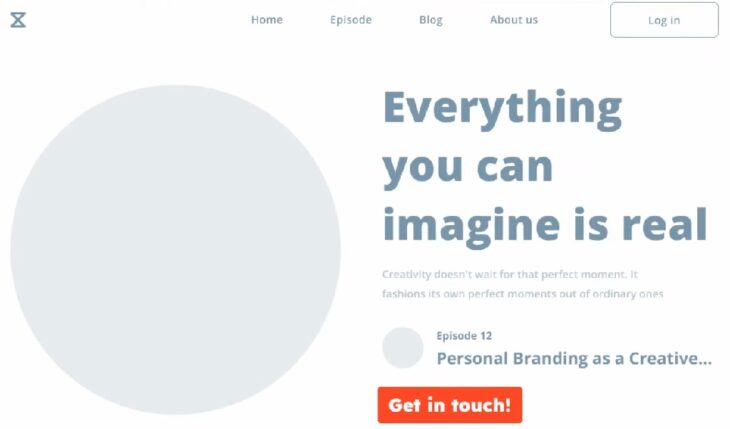
People decide how they feel about your site within 50 milliseconds. That’s all the time you’ve got.
A strong homepage should:
- Greet visitors with a bold headline that clearly explains what you sell
- Use a clean, modern layout without clutter
- Include a call-to-action (CTA) right up front – like “Shop Now” or “See What’s New”
Consistent branding matters, too. Colors, fonts, and tone should match across all pages. If your homepage feels polished but your product pages are clunky, people notice.
Product Listings That Sell for You
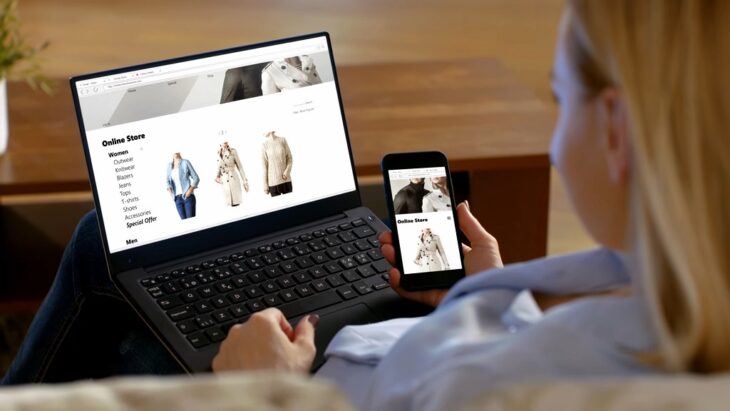
People can’t touch or feel products online, so you need to give them as much clarity as possible.
- Write detailed descriptions with size, material, and shipping info
- Include customer reviews to build trust
- Use high-quality photos (zoomable, from multiple angles)
According to Nexcess , 70% of shoppers are more likely to buy if they can zoom in on product images. And videos? Even better. A short clip showing how a bag moves or how a tech gadget works can make the difference.
Let’s say you run a clothing brand. One dress could show up on a model in a casual daytime setting, and then again at a party. Same product, two use cases. That sparks ideas for shoppers.
Keep the Checkout Simple
Cart abandonment is a real pain point. Around 63% of shoppers will walk away if you don’t offer guest checkout. People don’t always want to make an account.
A few quick wins:
- Keep forms short (name, email, address, payment)
- Be upfront about shipping costs
- Offer multiple payment methods (credit cards, PayPal, Apple Pay)
Want to push more people over the line? Offer free shipping on orders over a certain amount. It doesn’t just convert – it bumps up average cart size.
Similarly, online stores can take cues from digital promotions like those in gaming, where you can claim a no deposit bonus code to attract first-time users without asking for upfront commitment.
Mobile Comes First Now
Most online shopping is happening on phones, not laptops. So your store should work perfectly on every screen size.
What matters most:
- Responsive design that adapts to all devices
- Fast load times (under 2 seconds is the sweet spot)
Google even prioritizes mobile versions when ranking websites, so it’s not just a user experience thing – it’s an SEO thing too.
Marketing
Now that your site’s in shape, you’ve got to get people to it. That means pushing your brand into the world where your audience hangs out.
Social Media is Still a Top Performer

If you’re not using Instagram, Facebook, TikTok, or LinkedIn (depending on your market), you’re missing a big opportunity.
86% of people say they feel brands are more transparent and approachable on social media. That’s huge.
Here’s what works:
- Share product videos, behind-the-scenes content, or customer shout-outs
- Use stories, reels, and live streams to keep things active
- Run giveaways to build buzz
Paid ads are another angle. Facebook ads can reach about 75% of the platform’s users, and the targeting is precise. You can zero in on age, interests, behaviors – even people who visited your site before but didn’t buy.
User-Generated Content (UGC)
People trust people more than brands. UGC taps into that.
Encourage customers to tag your brand or use a hashtag. Feature their photos on your homepage or product pages. According to Nexcess , UGC boosts conversion rates by up to 97%.
Example: A skincare line could launch a #MyGlowStory campaign, where customers post selfies using their products. Authentic, relatable, and free promotion. Influencers Who Actually Connect You don’t need a Kardashian. Micro-influencers with 10,000–50,000 followers often outperform bigger names when it comes to engagement. Find someone who aligns with your brand. A fitness brand, for instance, might partner with a personal trainer who showcases workouts wearing their gear. You can use platforms like Intellifluence or Traackr to find influencers that fit your niche. Email Marketing That Doesn’t Annoy People
Email is still one of the most powerful tools out there, but it only works if you’re respectful of your audience’s time and inbox.
Grow a Real List
Use popups, giveaways, or simple CTAs to get email signups – but skip the sketchy tactics. Never buy lists.
- Get a coupon (85% say this is their reason)
- Want to stay in the loop on sales or launches
- Enjoy your brand voice and content
Send Smart Campaigns
- Welcome emails : These can boost revenue by 320% because they’re timely and personal.
- Abandoned cart emails : Around 40% of these get clicked. That’s real money being recovered.
- Seasonal or promo emails : Flash sales or holidays give a reason to re-engage.
Make it personal. Use the customer’s name, tailor suggestions based on what they browsed, and use subject lines that don’t sound like spam.


Building an online store is one thing. Bringing people to it, getting them to stick around, and convincing them to buy? That’s where things start to feel a bit more real. It’s not about quick hacks or one-size-fits-all formulas.
Growing an e-commerce brand takes a practical mix of strong design, smart marketing, genuine customer engagement, and data that helps you improve without guessing.
Here’s a look at what actually works – based on what brands are doing right, and what the data shows matters most.
Key Points
- First impressions matter: a fast, mobile-friendly, well-designed site boosts trust and sales.
- Clear product info, zoomable images, and simple checkout reduce cart abandonment.
- Use social media, influencers, and user-generated content to drive engagement.
- Email, SEO, and smart data use keep customers coming back and guide what to improve next.
Your Website Has to Be Sharp
Before you can attract anyone, your store needs to look worth visiting. It’s like setting up a brick-and-mortar shop – if the lights are flickering and the shelves are messy, people won’t come in. Same idea online.
Homepage That Grabs Attention
People decide how they feel about your site within 50 milliseconds. That’s all the time you’ve got.
A strong homepage should:
- Greet visitors with a bold headline that clearly explains what you sell
- Use a clean, modern layout without clutter
- Include a call-to-action (CTA) right up front – like “Shop Now” or “See What’s New”
Consistent branding matters, too. Colors, fonts, and tone should match across all pages. If your homepage feels polished but your product pages are clunky, people notice.
Product Listings That Sell for You
People can’t touch or feel products online, so you need to give them as much clarity as possible.
- Write detailed descriptions with size, material, and shipping info
- Include customer reviews to build trust
- Use high-quality photos (zoomable, from multiple angles)
According to Nexcess , 70% of shoppers are more likely to buy if they can zoom in on product images. And videos? Even better. A short clip showing how a bag moves or how a tech gadget works can make the difference.
Let’s say you run a clothing brand. One dress could show up on a model in a casual daytime setting, and then again at a party. Same product, two use cases. That sparks ideas for shoppers.
Keep the Checkout Simple
Cart abandonment is a real pain point. Around 63% of shoppers will walk away if you don’t offer guest checkout. People don’t always want to make an account.
A few quick wins:
- Keep forms short (name, email, address, payment)
- Be upfront about shipping costs
- Offer multiple payment methods (credit cards, PayPal, Apple Pay)
Want to push more people over the line? Offer free shipping on orders over a certain amount. It doesn’t just convert – it bumps up average cart size.
Similarly, online stores can take cues from digital promotions like those in gaming, where you can claim a no deposit bonus code to attract first-time users without asking for upfront commitment.
Mobile Comes First Now
Most online shopping is happening on phones, not laptops. So your store should work perfectly on every screen size.
What matters most:
- Responsive design that adapts to all devices
- Fast load times (under 2 seconds is the sweet spot)
Google even prioritizes mobile versions when ranking websites, so it’s not just a user experience thing – it’s an SEO thing too.
Marketing
Now that your site’s in shape, you’ve got to get people to it. That means pushing your brand into the world where your audience hangs out.
Social Media is Still a Top Performer
If you’re not using Instagram, Facebook, TikTok, or LinkedIn (depending on your market), you’re missing a big opportunity.
86% of people say they feel brands are more transparent and approachable on social media. That’s huge.
Here’s what works:
- Share product videos, behind-the-scenes content, or customer shout-outs
- Use stories, reels, and live streams to keep things active
- Run giveaways to build buzz
Paid ads are another angle. Facebook ads can reach about 75% of the platform’s users, and the targeting is precise. You can zero in on age, interests, behaviors – even people who visited your site before but didn’t buy.
User-Generated Content (UGC)
People trust people more than brands. UGC taps into that.
Encourage customers to tag your brand or use a hashtag. Feature their photos on your homepage or product pages. According to Nexcess , UGC boosts conversion rates by up to 97%.
Example: A skincare line could launch a #MyGlowStory campaign, where customers post selfies using their products. Authentic, relatable, and free promotion. Influencers Who Actually Connect You don’t need a Kardashian. Micro-influencers with 10,000–50,000 followers often outperform bigger names when it comes to engagement. Find someone who aligns with your brand. A fitness brand, for instance, might partner with a personal trainer who showcases workouts wearing their gear. You can use platforms like Intellifluence or Traackr to find influencers that fit your niche. Email Marketing That Doesn’t Annoy People
Email is still one of the most powerful tools out there, but it only works if you’re respectful of your audience’s time and inbox.
Grow a Real List
Use popups, giveaways, or simple CTAs to get email signups – but skip the sketchy tactics. Never buy lists.
- Get a coupon (85% say this is their reason)
- Want to stay in the loop on sales or launches
- Enjoy your brand voice and content
Send Smart Campaigns
- Welcome emails : These can boost revenue by 320% because they’re timely and personal.
- Abandoned cart emails : Around 40% of these get clicked. That’s real money being recovered.
- Seasonal or promo emails : Flash sales or holidays give a reason to re-engage.
Make it personal. Use the customer’s name, tailor suggestions based on what they browsed, and use subject lines that don’t sound like spam.
