In 2025, e-commerce APIs are no longer just “nice-to-have” tools; they are a critical infrastructure that is transforming how businesses manage fulfillment from the moment an order is placed to when it arrives at a customer’s door. The concrete benefit is this: e-commerce APIs reduce errors, accelerate delivery, and enable real-time coordination across warehouses, carriers, platforms, and inventory systems . Without APIs, fulfillment in 2025 becomes slower, more expensive, and prone to disconnection. APIs are the glue that enables automation, transparency, and scalable growth.
Why They Matter in Fulfillment
Before APIs, these systems were managed manually; staff had to update inventory spreadsheets, copy-paste tracking numbers, or email fulfillment instructions. That process was slow and error-prone. Now, thanks to APIs, updates happen in real time. For example, if a customer places an order on an online store, the API immediately triggers inventory updates, initiates a shipping label, and sends confirmation, all within seconds.
- Instant order syncing
- Real-time inventory visibility
- Dynamic shipping rate fetching
- Automated tracking updates
- Easier multi-warehouse coordination
How APIs Streamline Inventory and Warehouse Operations
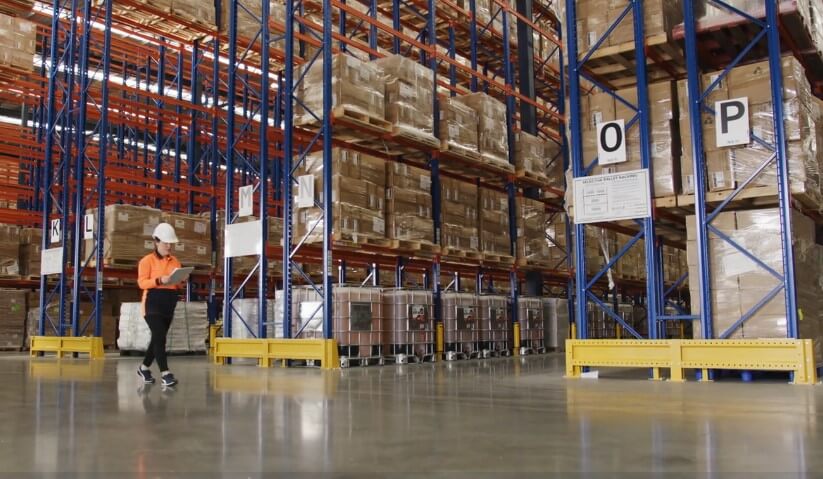
Source: artlist.io/Screenshot, Nowadays, API provides real-time stock updates and much more
APIs also allow warehouse management systems (WMS) to automatically allocate inventory, print packing slips, and assign picking lists without human input. Even smaller sellers can now access advanced inventory routing logic that once belonged only to enterprise giants.
| Feature | Manual Workflow (Pre-API) | API-Driven Workflow (2025) |
|---|---|---|
| Inventory Sync | Updated daily or weekly | Updated instantly across channels |
| Order Allocation | Staff reviews orders manually | Warehouse assigned by logic rules |
| Multi-warehouse Support | Complicated & disconnected | Fully unified and automated |
| Out-of-Stock Handling | Delay and refund risks | Automatic backorder or redirect |
Automated Shipping Label Generation and Carrier Selection
Modern APIs connect your platform directly with carriers. That means businesses can instantly fetch shipping rates, compare delivery times, and print labels with just one click or even automatically. In the past, staff had to manually log into each carrier’s dashboard or use third-party shipping software.
With 2025’s improved carrier APIs, logic can be built in to:
- Select the cheapest option by weight/zone
- Prioritize the fastest delivery for VIP customers.
- Print customs-compliant international label.s
- Trigger same-day pickup requests
This is especially powerful for high-volume sellers or dropshipping operations , where shaving off seconds per order adds up to hours saved per day.
| Use Case | With API Integration | Without API Integration |
|---|---|---|
| Compare Carrier Rates | Automatic at checkout | Requires manual lookup |
| Label Creation | One-click / automatic | Multiple platform logins |
| Shipment Tracking Updates | Sent them he customer in real time | Manual copy-paste into the email system |
| Bulk Shipping Management | Scalable with rules-based logic | Limited by staff availability |
Real-Time Order Tracking and Customer Notifications
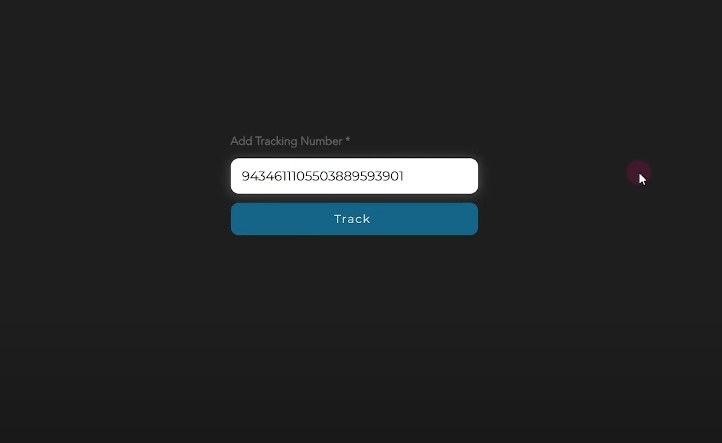
Source: YouTube/Screenshot, You can track orders thanks to API
In 2025, dynamic tracking APIs also provide estimated delivery windows, reroute options, or delays due to weather, all in real time. Brands that leverage these APIs offer a better post-purchase experience, which translates into higher trust and fewer support tickets.
Example:
Without APIs, this might have required manual updates or no communication at all.
| Feature | Pre-API Era | API-Enabled Fulfillment (2025) |
|---|---|---|
| Shipment Scanning | Tracked only internally | Visible to the customer immediately |
| Delivery ETA | Generic and unreliable | Dynamic and updated hourly |
| Customer Communication | Batch emails (if at all) | Automated, platform-based updates |
| Delivery Reroute Option | Manual carrier call | API-enabled within the customer portal |
Integrating With 3PLs, Fulfillment Centers, and Marketplaces

Source: artlist.io/Screenshot, Integration plays very important role in e-commerce bussines
Without integration, there’s a delay in data handoff between your e-commerce store and your warehouse partner. In 2025, most leading 3PLs offer robust REST or GraphQL APIs for real-time communication.
This lets you:
- Instantly push new orders from your store to the warehouse
- Sync inventory changes from the warehouse to your frontend
- Auto-fetch tracking info from the 3PL’s system
- Sync with marketplaces like Walmart or eBay.
One major change in 2025 is that smaller regional 3PLs are now API-ready , thanks to platforms like ShipBob, Flexe, and Deliverr that offer pre-built connectors for fast onboarding. Businesses no longer need a dev team to connect with fulfillment partners.
| Integration Point | Enabled by APIs (2025) |
|---|---|
| Shopify → 3PL Warehouse | Order pushed in seconds |
| Warehouse → Amazon FBA | Inventory balanced in real-time |
| 3PL → Shipping Carrier | Label printed & pickup scheduled |
| WMS → ERP System | Finance & analytics unified |
Unlocking Predictive Fulfillment and Demand Forecasting

Source: artlist.io/Screenshot, Technology makes very accurate predictions which makes job easier and reliable
By integrating APIs from sales data, weather forecasts, traffic systems, and customer analytics, businesses can predict what inventory needs to be where, before the order even happens.
For instance, if data shows rain is expected in Chicago and umbrella sales spike there during storms, the system might pre-stock inventory in a Chicago-based warehouse. These predictive models rely on API-fed data to make fulfillment smarter and more proactive.
This also ties into rehab program logistics , where medical supply vendors use fulfillment APIs to automatically restock rehab centers or patient homes based on usage patterns or prescription renewals.
| Forecasting Input | API Used | Fulfillment Action Triggered |
|---|---|---|
| Weather API | OpenWeather, ClimaCell | Shift stock based on weather risk |
| Sales Channel Data | Shopify, Amazon, Magento APIs | Reorder popular items early |
| Prescription Renewal API | Healthcare or pharmacy APIs | Auto-ship to rehab centers |
| Traffic / Transit API | Google Maps, Here API | Adjust delivery window ETA |
The Rise of No-Code Fulfillment Automation
Source: artlist.io/Screenshot, Thanks to that, even smaller brands are now more competitive
Thanks to no-code and low-code platforms like Zapier, Make.com, and Alloy Automation , merchants can visually connect APIs using drag-and-drop logic.
Example Workflow: “If an order over $200 is placed on Shopify → create a priority DHL label → notify warehouse manager via Slack.”
Such flows used to take weeks of developer work. Now they take minutes, giving smaller brands a competitive edge.
Final Thoughts
The e-commerce industry in 2025 demands fulfillment systems that are fast, accurate, flexible, and scalable . APIs are the digital backbone making this possible. Whether you’re managing hundreds of SKUs across multiple warehouses or coordinating with third-party rehab supply chains, APIs offer a real-time, intelligent, and automated way to move goods.
From predictive routing to automated customer updates, the transformation is clear: APIs are not just tech tools, they’re operational powerhouses. And as no-code interfaces and AI continue to evolve, even more automation will be accessible to everyday sellers. If you are not using APIs to streamline fulfillment in 2025, you are already falling behind.
