The higher cost can lead to lower conversion rates, but the rewards can be substantial when a sale occurs.
While the commissions per sale are smaller, consistent sales can add up to a steady income stream.
Commission Differences
Sales Volume and Consistency
High-ticket items typically sell less frequently due to their higher cost. This can lead to more sporadic income. In contrast, low-ticket items often sell more consistently. The lower price point appeals to a broader audience, resulting in a steady stream of smaller commissions. This consistency can provide a more reliable income flow.
Conversion Rates
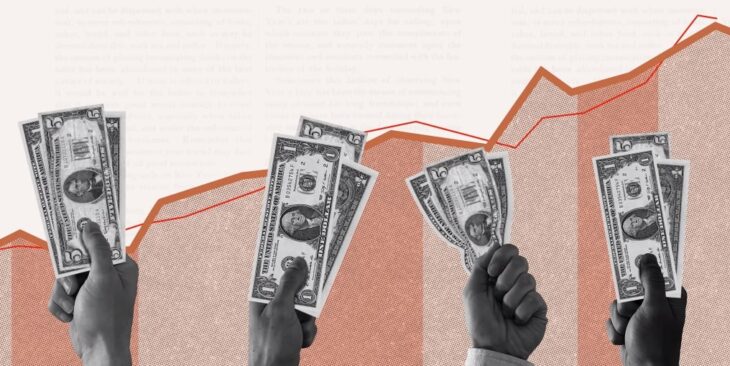
High-ticket items usually have lower conversion rates. The high cost can deter many potential buyers, making it harder to close sales. For example, promoting a $2,000 online course might only convert 1% of visitors. Out of 1,000 visitors, you might get 10 sales. Detailed product information, positive reviews, and strong testimonials are key. Potential customers need reassurance about the value and benefits of spending a large amount.
In contrast, low-ticket items tend to have higher conversion rates. The lower price makes it easier for customers to decide to buy, resulting in more frequent sales. For instance, promoting a $20 fitness guide might convert to 10%. Out of 1,000 visitors, you could get 100 sales. Impulse buying is more common with low-ticket items, leading to quicker decisions and higher sales volumes.
Marketing Strategies for High-Ticket Products
Content Creation
- In-depth Reviews: Write detailed reviews covering all aspects of the product. For example, a review of a $2,000 camera should discuss features, performance, and user experience.
- Case Studies: Share success stories from people who have benefited from the product. A case study on a $3,000 online marketing course could show how a business doubled its revenue.
Webinars
Host webinars to demonstrate the product live. For example, a webinar for a $1,500 software tool can show its features in action and answer questions in real time.
Personalized Follow-Ups
Send personalized emails to potential buyers. Address their concerns and provide additional information. For instance, follow up with leads interested in a $5,000 coaching program by offering a free consultation.
Exclusive Bonuses
Offer bonuses to add value. For example, include a free one-on-one coaching session with the purchase of a $2,500 online course.
Marketing Strategies for Low-Ticket Products
Content Creation
Write straightforward reviews highlighting key benefits. For example, a review of a $15 skincare product should emphasize its effectiveness and affordability.
Social Media Promotion
Utilize social media platforms to reach a broad audience. Share posts, stories, and ads promoting the product. For instance, use Instagram to promote a $30 fitness app subscription.
Email Marketing
Influencer Collaborations
Partner with influencers to reach their followers. For instance, collaborate with a fitness influencer to promote a $25 workout plan.
Target Audience
High-Ticket Products
- Niche Market: High-ticket items usually target a specific, niche market . For example, luxury travel packages or advanced business coaching programs attract a particular audience willing to invest in quality and exclusivity.
- High-Income Individuals: These products often appeal to high-income individuals who can afford to spend more. For instance, a $2,000 online marketing course targets business owners or professionals seeking significant career advancement.
- Decision-Makers: The audience for high-ticket items typically includes decision-makers or influencers within an organization. Promoting a $5,000 software solution might involve engaging with company executives or department heads.
Low-Ticket Products
- Broad Market: Low-ticket items appeal to a broader audience . Everyday consumer goods, such as $15 beauty products or $30 fitness apps, attract a wide range of customers.
- Budget-Conscious Buyers: These products often appeal to budget-conscious buyers looking for value and affordability. A $20 cooking book or a $10 mobile app subscription fits within this category.
- Impulse Shoppers: Low-ticket items are more likely to attract impulse buyers. Quick and easy purchasing decisions are common, driven by lower prices and frequent promotions.
Effort and Time
High-Ticket Products
- Content Creation: Requires extensive content creation, such as in-depth reviews, case studies, and detailed tutorials. For example, promoting a $3,000 coaching program might involve creating multiple blog posts , video testimonials, and an in-depth guide.
- Personal Interaction: More personal interaction with potential buyers is often needed. This can include one-on-one calls, personalized emails, and live webinars. A $1,500 training program might necessitate a free consultation call to address specific questions.
- Longer Sales Cycle: The sales cycle for high-ticket items tends to be longer. Buyers take more time to make decisions, requiring ongoing engagement and follow-up. For instance, selling a $2,000 online course might involve several weeks of communication and nurturing leads.
Low-Ticket Products
- Simpler Content: Less detailed content is sufficient. A short blog post or a quick video review can effectively promote a $20 product.
- Automation: Marketing for low-ticket items can often be automated. Email marketing campaigns and social media ads can run without constant oversight. Promoting a $30 subscription box might involve setting up automated email sequences and social media posts.
- Quicker Sales Cycle: The sales cycle is usually shorter. Buyers make quick decisions, leading to faster sales. A $15 e-book can be sold through a simple landing page and a few promotional emails.
Risk and Reward Analysis

High-Ticket Products
- Higher Risk: There is a higher risk due to the potential for fewer sales. A failed high-ticket campaign can result in significant losses. For example, investing time and money into promoting a $5,000 seminar with no sales can be costly.
- Higher Reward: Successful high-ticket sales can lead to substantial rewards. A single sale can generate a large commission, making the effort worthwhile. Selling just five $2,000 courses can result in significant earnings.
Low-Ticket Products
- Lower Risk: There is a lower risk as the cost of failure is less. Even if a campaign doesn’t perform well, the financial loss is minimal. Promoting a $10 product that doesn’t sell well doesn’t impact the budget significantly.
- Steady Income: While each sale generates a smaller commission, frequent sales can add up to a steady income. Consistently selling low-ticket items can provide a reliable revenue stream.
You Can Combine Both Approaches
Combining both high-ticket and low-ticket products can balance sales and income. High-ticket items provide significant earnings per sale, while low-ticket items ensure consistent revenue. This approach allows you to reach different audience segments. High-ticket products cater to niche, high-income individuals, while low-ticket items appeal to a broader, budget-conscious audience.
For example, you can promote a $2,000 business course with detailed webinars, personalized emails, and exclusive bonuses. At the same time, you can promote a $20 e-book on the same topic using blog posts, social media ads, and automated email campaigns. This strategy captures both high-value and quick-sale opportunities, maximizing overall revenue.
Choose the Right Strategy for You
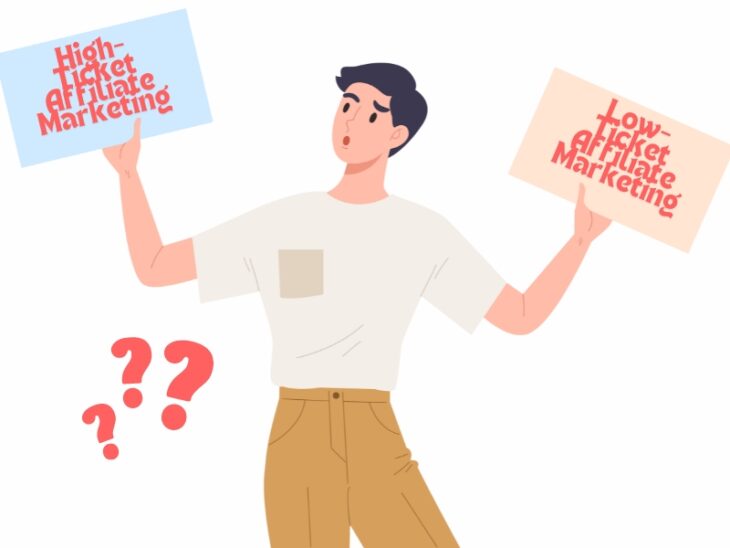
Determine your income goals. If you aim for quick, consistent sales, low-ticket marketing might be suitable. If you seek significant earnings per sale, high-ticket marketing could be the better choice. Consider the time and effort you can invest. High-ticket marketing requires more time and personal interaction, while low-ticket marketing can often be automated.
Understand your audience profile. High-ticket items appeal to a specific, high-income niche, while low-ticket items attract a broader, more varied audience. Research market demand for the products you want to promote. Ensure there is a demand for high-ticket items in your niche or a substantial market for low-ticket products.
Choose a strategy that aligns with your marketing style. If you enjoy creating detailed content and engaging with leads, high-ticket marketing may be rewarding. If you prefer quick sales and automation, low-ticket marketing might be more suitable.
