The short answer is yes, you can shop online without linking your bank card or exposing your data, but it requires knowing the right tools and methods. From prepaid cards and anonymous payment services to cryptocurrency and “no-account” platforms, there are ways to keep your information private while still enjoying the convenience of online shopping. However, each option comes with trade-offs in fees, flexibility, and availability.
What follows is a personal-style breakdown of how people (myself included) are navigating online shopping in an age where data security feels more fragile than ever.
Why People Want to Shop Without Cards or Data

If you’ve shopped online long enough, you know the uneasy pause before hitting “Confirm Payment.” There’s that nagging thought: where exactly is this information going? In recent years, it feels like barely a month goes by without headlines about leaked databases or hacked accounts.
And when your bank card details are part of those leaks, the fallout can range from annoying to financially devastating.
But it’s not just about hackers. A lot of people are tired of how much personal information is quietly collected behind the scenes. Every purchase feeds into a profile that advertisers use to target you with eerily specific ads.
Something as harmless as renting a movie can end up tying your card details to your identity, preferences, and even browsing habits. For many, that feels like giving away far more than the cost of the rental.
That frustration is one of the main reasons people look for payment options that keep their real accounts out of reach. I’ve been there myself—hesitating over whether I want to risk a recurring charge on my main card just to test out a “free trial.”
In short, the push for anonymous or alternative payment methods comes down to three things: security, privacy, and flexibility. People want the freedom to buy online without feeling exposed, tracked, or tied down.
Practical Alternatives to Bank Cards
Over time, a handful of practical alternatives have emerged. Some are simple workarounds you can find at your local supermarket, while others use cutting-edge financial tech. Here are the most common options people use today:
1. Prepaid Cards and Gift Cards
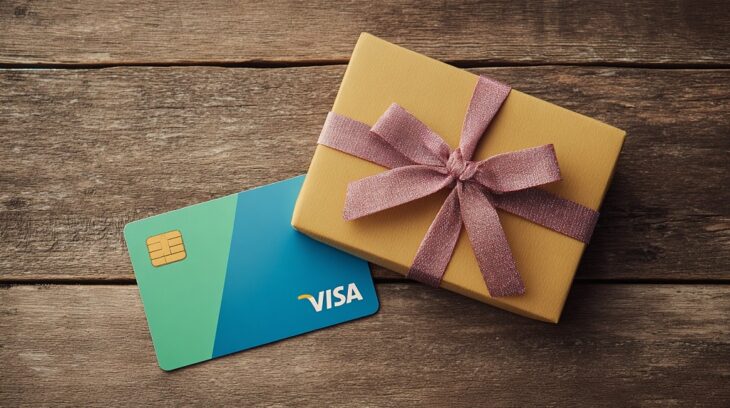
For many, prepaid cards are the easiest entry point to anonymous online shopping. You can walk into a convenience store, buy a prepaid Visa or Mastercard, load it with cash, and start shopping online in minutes.
Because you’re not linking your actual bank account, the card acts as a firewall between your identity and the merchant.
That said, there are trade-offs. Prepaid cards often come with activation fees or monthly charges if you don’t use the balance quickly. And reload options aren’t always convenient. But for people who just want to make a one-time payment without leaving a paper trail, they remain a go-to option.
| Method | Privacy Level | Fees/Limitations | Best For |
|---|---|---|---|
| Prepaid Cards | Medium | Setup fees, reload restrictions | One-off or occasional online purchases |
| Gift Cards | High | Store-specific usage only | Digital goods from major retailers |
2. PayPal and Similar Wallets
Digital wallets like PayPal , Skrill, or Neteller work like middlemen. Instead of giving your card details to every shop, you give them to the wallet service once and then pay through the wallet. This creates an extra layer of privacy because merchants never see your bank details directly.
Some wallets even let you fund your account without using a bank card, through gift card codes, direct transfers, or even crypto. This makes them versatile for people who want to shield their main financial account but still shop broadly online.
Of course, wallets aren’t perfect. PayPal, for example, is widely trusted, but it also has its data collection practices and isn’t exactly anonymous. Still, for many shoppers, it’s the sweet spot between convenience and security.
3.
If privacy is your top priority, cryptocurrency is hard to beat. Paying with Bitcoin , Ethereum, or stablecoins doesn’t involve names, addresses, or card numbers, just wallet addresses. On a technical level, that’s as close as you can get to anonymity in online shopping today.
But crypto has its challenges. Prices swing wildly, meaning what costs $10 today could effectively cost you $15 tomorrow if the value drops. On top of that, only certain merchants accept crypto, so it’s not a universal solution.
For people buying digital goods, tech services, or niche products, it can be fantastic. But don’t expect to check out with Bitcoin on every major retailer just yet.
4. “No-Account” Platforms

One of the more interesting trends in the last few years has been “no-account” platforms. These systems let you deposit funds once through a secure method, and then shop or play without creating a full user profile.
This concept first caught on in online gaming and digital entertainment, where people didn’t want to waste time filling out long registration forms or exposing banking info. The model is now starting to expand into other industries, offering speed, privacy, and a smoother checkout process.
A good breakdown of how these platforms work can be found at ReadWrite , which explores how “no account” systems are changing online experiences, particularly in casinos. But the same principle, pay fast, shop privately, can easily extend into everyday e-commerce.
What About Delivery Details?
Even if you manage to keep your payment completely anonymous, you hit another wall with physical deliveries: the shipping address. If you’re ordering a book, clothes, or electronics, the seller still needs to know where to send it. This is where full anonymity breaks down.
There are workarounds. Some people use parcel lockers provided by courier companies, which let you pick up your order without sharing your home address.
Others rely on PO boxes or package forwarding services that add a layer of separation between the merchant and their actual residence.
For digital goods, software downloads, streaming subscriptions, and gaming credits, the issue disappears.
These products don’t require a delivery address, making it much easier to keep your identity off the table. In many ways, digital-only purchases are where anonymous shopping is most practical today.
Pros and Cons of Staying Anonymous
| Approach | Advantages | Downsides |
|---|---|---|
| Prepaid/Gift Cards | Easy, cash-based, widely accepted | Fees, limited reloads |
| Digital Wallets | Shields card info, flexible | Usually needs an initial bank link |
| Cryptocurrency | High anonymity, borderless payments | Not widely accepted, price swings |
| No-Account Platforms | Quick, minimal data, growing adoption | Not mainstream yet |
Final Thoughts
Yes, you can shop online without linking your bank card or personal details—it just depends on how much effort you want to put in.
I’ve settled on prepaid cards for small one-time buys, PayPal for recurring payments I don’t fully trust, and crypto when I find a merchant forward-thinking enough to accept it.
The trend is clear: people want privacy, and businesses are slowly adapting. Whether through anonymous wallets, prepaid systems, or “no-account” platforms, shopping online doesn’t have to feel like giving away a slice of your identity every time.
