Entertainment apps don’t have the luxury of being “useful.” You’re not solving spreadsheets or filing taxes. You’re distracting someone at the airport, entertaining them during dinner, or making sure they don’t delete your app after one mildly boring experience.
The bar? Stupidly high. Because when users open your app, they’ve already got twenty other options screaming for attention. And if your UI makes them think too hard, wait too long, or dig through menus like it’s a ‘90s adventure game, they’re gone. No second chances.
Here’s the playbook that actually works, based on what the heavy-hitters like Netflix, Spotify, TikTok, and Twitch are doing, and what you need to copy if you want to stay on someone’s home screen in 2025.
1. Personalized Recommendations
Nobody wants to scroll forever. If your app can serve up content that feels freakishly spot-on, you’re winning.
What it looks like in real life:
- Netflix : 80% of what people watch comes from their recommendation engine.
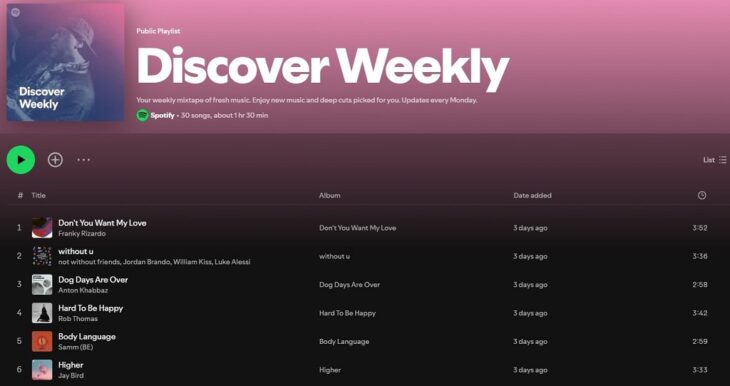
- Spotify : That “Discover Weekly” playlist isn’t magic – it’s cold, calculating user data.
- YouTube : Your “Watch Next” queue is basically your digital fingerprint.
The impact: Personalization keeps people glued. They don’t need to go hunting; it just appears. Creepy? Maybe. Effective? Absolutely. 2. Interactive Content
Passive viewing is for cable. Interactive stories give users control and create a low-key addiction loop.
Prime examples:
- Black Mirror: Bandersnatch on Netflix: You get to choose your own digital doom.
- Choices: Stories You Play : The dating drama genre nobody asked for but everyone plays.
Points, levels, leaderboards… it’s the same psychology that makes people chase casino bonuses, but with less regret (usually).
Just like TikTok’s Duets and Stitches, platforms such as NZ casinosanalyzer demonstrate how points, free chips, and leveling reward loops can drive repeat engagement.
Case studies:
- TikTok’s “Duet” and “Stitch” : Make content, react to content, pretend you’re famous.
- Duolingo : Yeah, it’s educational, but those XP points are what really keep people logging in.